Insights into fuel and oil contamination​

Want to detect and map the presence and distribution of fuels or oils (NAPLs or Non-Aqueous Phase Liquids)? That’s where our Optical Image Profiler (OIP) comes in. This advanced direct-push instrument uses high-resolution detection to create detailed vertical profiles of fuel and oil in the subsurface.

How does it work?

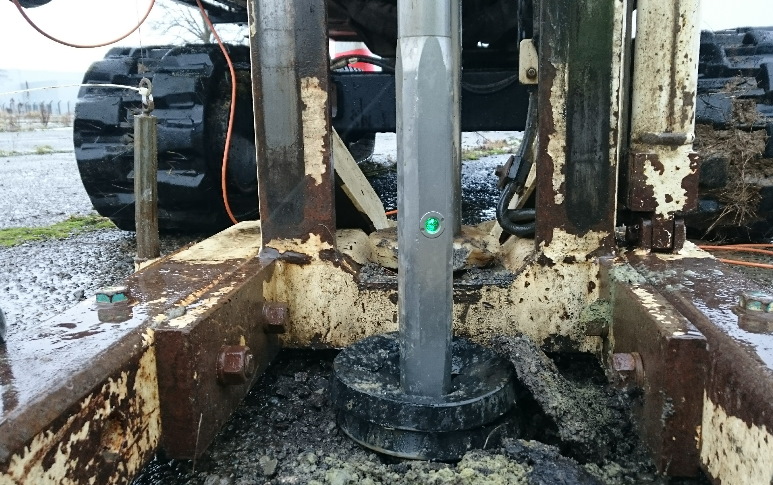
The OIP probe uses UV light , projecting it into the soil through a robust sapphire window. The probe is pushed deeper into the ground using a drilling rig, building a depth profile of any detected contamination along the way:

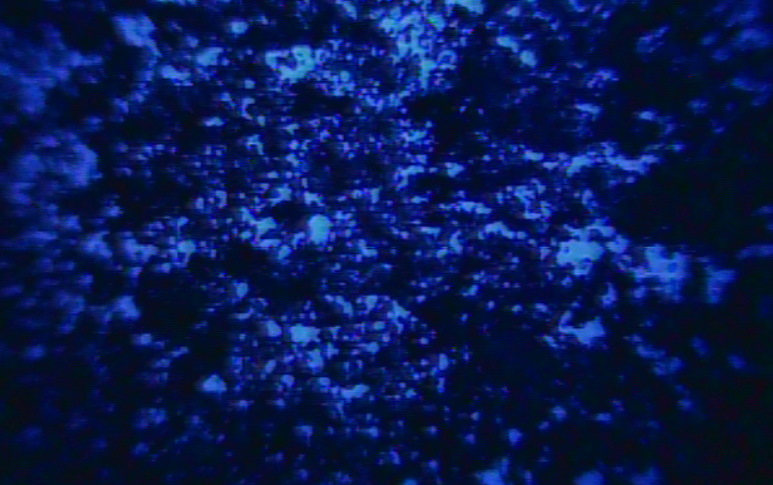
  • UV light induces fluorescence in polycyclic aromatic hydrocarbons (PAHs).
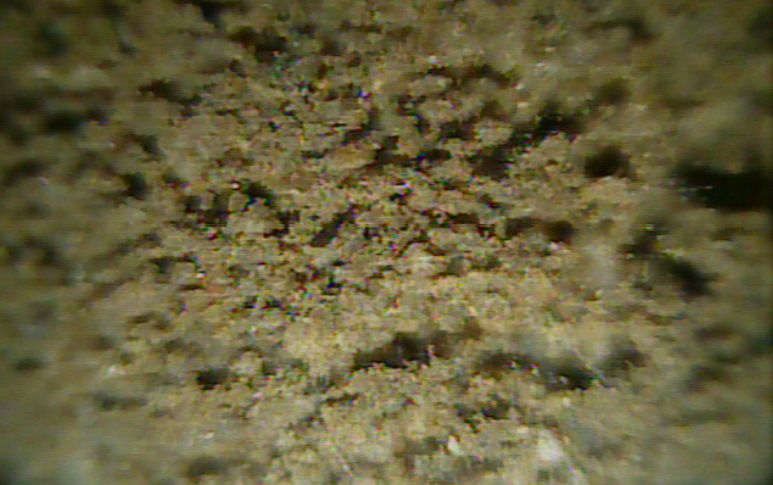
  • An integrated camera captures an image every 1.5 cm. If PAHs are present, fluorescence appears in specific colors on the images.
  • The fluorescence images are analyzed in real-time by the data acquisition system and immediately converted into a depth profile.
  • Images captured with visible light provide additional information, such as soil type, color, and the presence of debris or landfill materials, along with how the contamination is distributed within these layers.


Understanding contaminant behaviour in the subsurface

Additional sensors in the OIP probe, such as those for electrical conductivity (EC) and hydraulic permeability (HPT), provide information on soil stratigraphy.

  • EC measurements help identify changes in subsurface layers, such as transitions between sand, clay, and silt. Clay and silt typically exhibit higher EC values due to their finer grain structure. 
  • HPT measurements indicate how easily water  flows through the soil.This information is critical for identifying transport and storage zones for contaminants.

By combining EC and HPT data with OIP results, we reveal the relationship between soil properties and the behavior and distribution of contamination.


Why choose OIP?

The OIP is an efficient and accurate method for characterizing soil and groundwater contamination. With this innovative technology, you gain immediate insights into the extent and distribution of contamination, enabling better risk management and more effective remediation projects.

Want to know more about the Optical Impact Profiler?

Projects

How does PFAS migrate through a complex subsurface? Using high-resolution EC-HPT soundings, our team in Gavere identified permeability contrasts and key stratigraphic transitions in detail. This knowledge underpins targeted sampling, improved monitoring and a realistic assessment of PFAS mobility.
Redeveloping former dry cleaning sites requires certainty about what lies beneath the surface. Using high-resolution site characterisation (HRSC), we map historical chlorinated solvent contamination accurately, even in hard-to-access urban locations. This creates a solid basis for well-informed remediation and viable redevelopment.
On an active production site, we conducted a high-resolution subsurface investigation to precisely identify source zones and contaminant behaviour. By applying HRSC techniques, chemical and geological data were integrated into one coherent model. The results directly supported targeted optimisation of the existing Pump & Treat system.